The Best Time to Visit Wayanad: A Season by Season Guide
The Best Time to Visit Wayanad: A Season by Season Guide
- Home
- Single Blog
The Best Time to Visit Wayanad: A Season by Season Guide
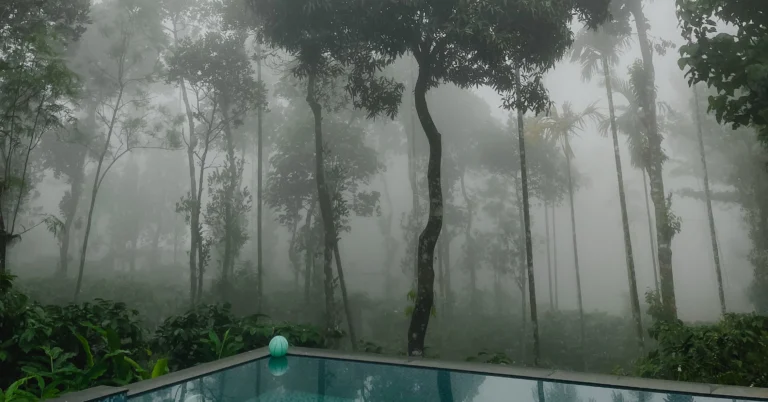
Wayanad does not have a bad time to visit. That is the honest answer, and it is also the reason so many people who come here once end up coming back across different seasons because the place genuinely transforms with each one. The misty cool of December is nothing like the electric green of July. The golden stillness of February is its own thing entirely. And each version of Wayanad has its own particular charm, its own reasons to show up, and its own pace.
What this guide does is help you understand what you are walking into, depending on when you go. It tells you what the weather actually feels like, what you can do, what will be closed or difficult, and who each season is best suited for so you can plan your trip to Wayanad, and your stay at Amber Woods Resort, with open eyes.
Understanding Wayanad's Seasons
Wayanad sits at an elevation of roughly 700 to 2,100 metres above sea level in the Western Ghats of Kerala. That elevation means it is almost always cooler than the coast, even in summer. But it also means it catches the full force of two monsoons the southwest monsoon from June to September, and the northeast monsoon in October and November which together shape the landscape more dramatically than in most parts of India.
There are broadly three seasons to plan around:
The peak season runs from October to February, when the weather is dry, clear, and cool. This is when most tourists visit and when Wayanad is at its most accessible.
The summer season runs from March to May, when temperatures rise but crowds thin considerably. It is warm but manageable at elevation, and there are real advantages to visiting now.
The monsoon season runs from June to September, when the rains arrive in full force. Wayanad becomes impossibly green, waterfalls explode into life, and the landscape looks like something out of a painting but roads can be tricky and some attractions are restricted.
Let us go through each one properly.
October to February: Peak Season, and For Good Reason
This is when most people visit Wayanad, and the reasons are obvious once you are here.
The southwest monsoon withdraws by late September, leaving behind a landscape that has been thoroughly washed and renewed. The hills are vivid green. The air is clean in a way that feels almost unrealistic. And as October rolls into November and December, temperatures begin to drop into genuinely cool territory nights in the higher elevations can fall to 10 or 12 degrees Celsius, and mornings carry a chill that makes a blanket feel earned.
January and February are perhaps the most beloved months. The sky is clear and blue almost every day. Temperatures during the day sit between 15 and 22 degrees Celsius, which is ideal for walking, trekking, sightseeing, and spending long hours outdoors without the discomfort of heat or rain. Evenings are cool enough to want a light jacket. Nights are cold enough to sleep deeply.
What makes this season special:
The waterfalls are still running well into October and November after the monsoon rains, so you get the visual drama of full waterfalls combined with the accessibility of dry roads. Soochipara Falls, Meenmutty Falls, and Kanthanpara Falls are all at their most rewarding in this window.
Wildlife sightings are excellent from November onwards. Animals begin converging around water sources as the landscape dries slightly, making Muthanga Wildlife Sanctuary and Tholpetty Wildlife Sanctuary productive for jeep safaris. Elephant sightings in particular are common during this period.
Banasura Sagar Dam is at its most photogenic the reservoir is full from the rains and the hills around it are still lush, creating a landscape that stops you mid step.
Trekking conditions are ideal. Chembra Peak, the highest point in Wayanad at 2,100 metres, is best approached between November and March when the paths are dry, safe, and the views from the summit are unobstructed. The famous heart-shaped lake near the peak is visible and accessible in this window.
Edakkal Caves, the plantation tours, the spice gardens everything is open and running smoothly.
Who this season is best for:
Couples on honeymoon or anniversary trips who want beautiful weather and the full range of experiences. Families travelling with children, because everything is accessible and comfortable. First-time visitors to Wayanad who want the most straightforward and rewarding introduction to the region. Anyone who wants to spend meaningful time outdoors.
What to keep in mind:
This is peak season, which means it is also the busiest. Popular resorts and homestays fill up quickly, especially around Christmas, New Year, Onam, and Diwali. If you are planning to stay at a private villa like Amber Woods where there is only one accommodation available booking well in advance is not optional, it is essential. Weekends throughout this season are particularly in demand.
March to May: The Quiet Season That Deserves More Credit
March to May is Wayanad’s least visited window, which is precisely why it is worth considering seriously.
Temperatures climb from March onwards. By April and May, daytime temperatures in the lower elevations of Wayanad can reach 30 to 33 degrees Celsius noticeably warm, though still significantly cooler than the coast or the plains. The higher elevations, including the areas around Banasura Sagar Dam where Amber Woods is located, remain more comfortable, with temperatures that are manageable in the mornings and evenings even at the height of summer.
The landscape during this season has a different quality. The greens have dried slightly to golds and ambers. The coffee plants are often flowering in March and April, and the air carries a faint sweetness from the blossoms that is unlike anything else. The plantation paths are quiet and warm and feel genuinely off the tourist circuit.
What makes this season special:
The crowds are gone. If you have ever been to a beautiful destination and wished you could experience it without the weekend masses, March to May offers exactly that. Wayanad’s roads are unhurried. The attractions are uncrowded. The feeling of having a place to yourself which is already baked into Amber Woods by design extends outward to the whole region.
Wildlife is exceptional during this season, and this is one of the least appreciated facts about visiting Wayanad in summer. Animals are drawn to the remaining water sources as the landscape dries, which makes them far easier to spot on safaris at Muthanga and Tholpetty. The chance of seeing elephants, gaur, deer, and other wildlife is arguably higher now than at any other time of year.
The Banasura Island Adventure park near the dam is open and less crowded, making watersports and island activities more enjoyable.
Rates at most properties are lower during this season. For travellers who are flexible on timing, this represents real value especially for an exclusive private villa where the per-night rate becomes significantly better with the budget you save.
Who this season is best for:
Couples looking for a genuinely private, unhurried escape without the peak season crowds. Wildlife enthusiasts and photographers who want the best possible chance of animal sightings. Budget conscious travellers who want a premium experience at a more accessible price point. Anyone who finds peak season tourism exhausting and prefers to move at their own pace.
What to keep in mind:
Some waterfalls are reduced to a trickle or dry up entirely by April and May. If seeing dramatic waterfalls is a priority, this is not the ideal window. The heat in the afternoons while manageable does mean that outdoor activities are best planned for mornings and evenings. At Amber Woods, the private pool comes into its own during this season: cool, private, and exactly what you want on a warm afternoon in the forest.
June to September: Monsoon Wayanad, the Season for Those Who Know
The monsoon is not for everyone. Let us be clear about that. If you need reliability in your travel plans guaranteed dry days, predictable road conditions, all attractions operating at full capacity the monsoon is not your season.
But for those who know what they are signing up for, Wayanad in the monsoon is extraordinary.
The southwest monsoon arrives in Wayanad around the first week of June, typically sweeping in from the coast with dramatic speed. Within days, the landscape changes completely. The hills turn a shade of green so deep and saturated that it barely looks real. Every stream becomes a cascade. Every paddy field fills with water that mirrors the sky. The mist rolls in every morning and often again in the evening, wrapping the hills in a gauze that makes everything feel slightly dreamlike.
Rainfall is heavy and consistent Wayanad receives some of the highest rainfall in Kerala during this period, particularly in July and August. Days of continuous rain are common. But the rains rarely go on uninterrupted for hours at a stretch; they come in waves, with clear gaps where the forest steams and gleams in the sudden light.
What makes this season special:
The waterfalls. Every waterfall in Wayanad reaches its peak during the monsoon. Soochipara, Meenmutty, Kanthanpara, Chethalayam all of them are at full, thundering force. The sound, the spray, and the sheer volume of water are unlike anything you will see in any other season. If waterfalls are your reason for coming to Wayanad, the monsoon is your answer.
The landscape itself becomes the attraction. Driving or walking through Wayanad in July is an experience in saturated colour and constant movement waterfalls appearing on hillsides that were dry six weeks earlier, rivers running brown and fast, rice fields knee deep in clear water. It is visually overwhelming in the best possible way.
Amber Woods, and private villa stays in general, are especially well suited to the monsoon. When the rain comes in sheets and the forest outside is all noise and movement, being in a warm, private space with a covered sitout to watch it all from is exactly right. The pool is still usable during breaks in the rain, and there is a particular pleasure in swimming while the forest drips around you.
Who this season is best for:
Couples and solo travellers who actively love rain and find it romantic rather than inconvenient. Photographers who want the lush, moody, green soaked version of Wayanad. People who come to completely switch off the monsoon naturally limits options and naturally slows everything down, which is sometimes exactly what is needed. Repeat visitors who already know Wayanad and want to see it transformed.
What to keep in mind:
Some trekking routes, including Chembra Peak, are closed during the monsoon for safety reasons. The Muthanga and Tholpetty wildlife sanctuaries are closed entirely from June to October. Landslides can occur on certain ghat roads, and it is worth monitoring conditions and having some flexibility in your travel plans. Edakkal Caves closes on rainy days. Road conditions, while generally manageable on the main routes, can be challenging on smaller forest roads.
Book accommodation in advance even during the monsoon the number of properties that suit a rainy day stay well is smaller than you might expect, and Amber Woods in particular is well-suited for it.
Month-by-Month Quick Reference
January: Cool, clear, and dry. Peak season. Ideal for trekking, wildlife, and all outdoor activities. Book well ahead.
February: Arguably the most pleasant month in Wayanad. Beautiful weather, slightly thinner crowds than December-January. Highly recommended.
March: Transitioning to warmer weather. Crowds start thinning. Coffee plants in bloom. Still good for most activities.
April: Warm afternoons but uncrowded. Wildlife sightings excellent. Waterfalls quieter. Great value on accommodation.
May: The warmest month. Best for wildlife. Quiet and unhurried. Pool days are well-earned.
June: Monsoon arrives. Landscape turns green. Heavy rains begin. Some attractions close. Best for those who love rain.
July: Full monsoon. Waterfalls at peak. Lush and dramatic. Trekking and some wildlife areas closed. Ideal for villa stays.
August: Peak monsoon. Similar to July. Occasional flooding possible on some routes. Deeply atmospheric.
September: Monsoon begins to retreat. Green lingers but rains ease towards the end of the month. A good transitional window.
October: Post-monsoon freshness. Waterfalls still running. Landscape vivid green. Early peak season begins. Excellent month to visit.
November: One of the best months. Cool, clear, and green. Wildlife good. All attractions open. Book ahead.
December: Peak season in full swing. Christmas and New Year bring heavy demand. Beautiful weather. Advance booking essential.
Book Your Stay at Amber Woods Resort
Amber Woods Resort is located in Padinjarathara, near Banasura Sagar Dam, Wayanad, Kerala. Bookings and enquiries via amberwoodsresort.com or WhatsApp at +91 92074 74300.
Recents Blog
Where the Forest Breathes: A Complete Guide to Staying at Amber Woods Resort, Wayanad
I Came to Wayanad for the Views, I Stayed for the Silence:
Wayanad Has a Secret,It’s Called Amber Woods
Amber Woods Resort, Wayanad a stay that sneaks up on you.
Where the Forest Does the Talking A Stay at Amber Woods, Wayanad